

Where Nature Thrives in the Heart of the Desert
Kuwait is often seen through the lens of modern skylines, cultural attractions, and luxurious shopping. But behind the urban buzz lies another world—the natural side of Kuwait. From hardy desert plants that withstand scorching summers to fascinating wildlife that thrives against all odds, the desert landscape offers a glimpse into resilience and beauty. Exploring Kuwait’s flora and fauna is not just about sightseeing; it’s about connecting with nature, slowing down, and experiencing the country in a unique way.
Whether you are a resident or a visitor, discovering Kuwait’s natural treasures can be both relaxing and enriching. Here, we’ll take you through the desert’s fascinating plants and animals, and suggest simple activities and the best places to experience them.
The Resilient Flora of Kuwait
Kuwait’s desert plants have adapted to survive harsh climates, minimal rainfall, and sandy soils. While the desert may look barren at first glance, a closer look reveals life sprouting in surprising forms.
-
Arfaj (Rhanterium epapposum): Kuwait’s national flower, this yellow-flowering plant blooms in spring and carpets the desert in vibrant hues.
-
Haloxylon (Ghadh): Known for its drought resistance, it provides shelter and food for desert wildlife.
-
Ziziphus (Sidr Tree): A symbol of resilience, its fruit is edible and valued in traditional medicine.
These plants not only define Kuwait’s desert landscape but also sustain the ecosystem by offering food and shade to animals.

The Unique Fauna of Kuwait
Despite the arid environment, Kuwait is home to a surprising variety of wildlife. Some of the most remarkable animals you might encounter include:
-
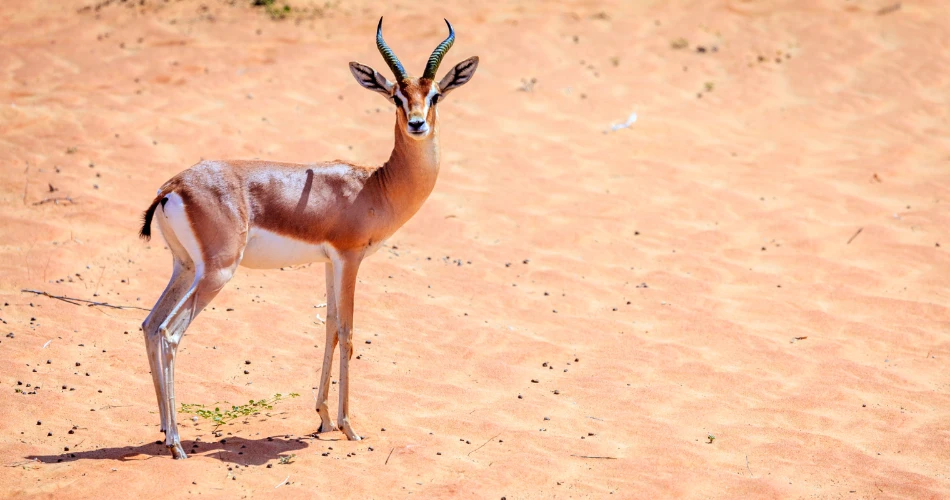
Sand Gazelle (Reem): Graceful and fast, these gazelles are often seen in protected reserves.
-
Arabian Red Fox: Adaptable and intelligent, it roams freely in desert areas.
-
Desert Hedgehog: A nocturnal creature often spotted at night.
-
Birds: Migratory species like flamingos, hoopoes, and kestrels add color to Kuwait’s skies, especially near coastal and desert wetlands.
The fauna tells a story of survival and adaptation, making every desert excursion an exciting opportunity to observe wildlife in its natural setting.
Simple Activities to Enjoy Kuwait’s Desert Nature
Exploring Kuwait’s desert flora and fauna doesn’t require elaborate planning—just curiosity and a little time outdoors. Here are a few activities you can enjoy, along with the best spots to experience them:
1. Nature Walks and Desert Picnics
One of the simplest ways to enjoy Kuwait’s natural side is to head into the desert for a walk or picnic. In spring, the desert comes alive with flowers like Arfaj, making it a perfect spot for a day trip.
-
Where to go: Al Mutlaa Desert and northern desert areas are popular for spring picnics.
2. Birdwatching by the Coast
Kuwait lies on a key migratory path for birds, making it a hotspot for birdwatchers. You don’t need special gear—just patience and a keen eye.
-
Where to go: Jahra Pools Reserve, Sulaibikhat Bay, and Bubiyan Island are known for birdwatching.
3. Wildlife Spotting in Reserves
If you want to catch a glimpse of gazelles or desert foxes, a visit to a protected reserve is your best bet. These areas conserve Kuwait’s wildlife and provide safe viewing opportunities.
-
Where to go: Sabah Al Ahmad Natural Reserve and Jahra East Outfall.
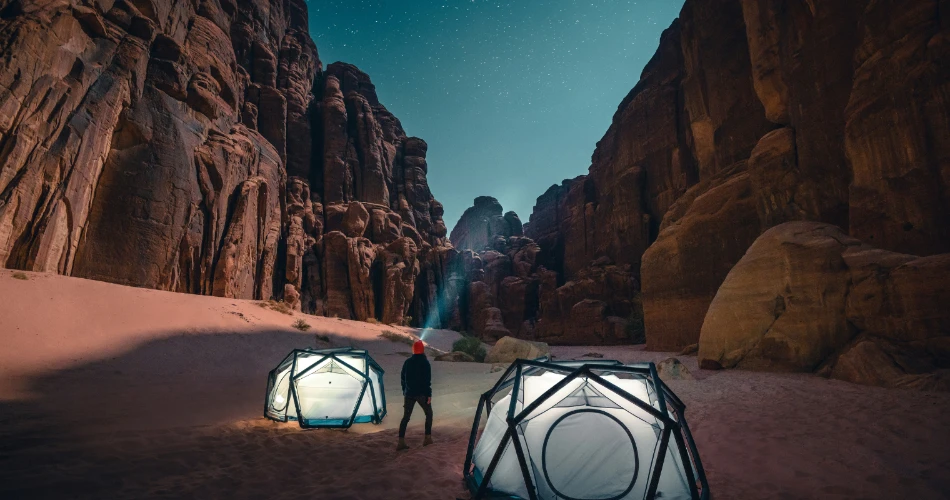
4. Desert Camping under the Stars
Spending a night in the desert allows you to experience the nocturnal side of Kuwait’s fauna. You might spot desert hedgehogs or hear the distant calls of night birds.
-
Where to go: Al Salmi desert area is popular for camping trips.
5. Exploring Green Pockets in the Desert
Some parks and conservation areas blend desert plants with green landscapes, making them ideal for families and casual visitors.
-
Where to go: Kuwait Zoo (for a controlled experience) or Al Shaheed Park (urban greenery showcasing native flora).
Tips for Exploring Kuwait’s Natural Side
-
Best Time to Visit: November to March offers cooler weather, making outdoor activities more comfortable.
-
Pack Essentials: Carry water, hats, sunscreen, and light snacks for desert trips.
-
Respect Wildlife: Avoid feeding or disturbing animals, and stick to designated trails in reserves.
-
Go with Locals: Joining local eco-groups or guided tours can enhance your experience and ensure you don’t miss hidden gems.
Why Kuwait’s Desert Nature Matters
Exploring Kuwait’s desert flora and fauna is more than just an activity—it’s a reminder of the country’s natural heritage. The delicate balance between plants, animals, and climate tells a powerful story of resilience. By visiting reserves, supporting conservation initiatives, or simply spending time outdoors, you play a role in preserving this unique ecosystem.
Conclusion
Kuwait’s natural side is often overshadowed by its urban image, yet the desert offers endless opportunities for discovery. From spotting gazelles in reserves to enjoying birdwatching at coastal wetlands, every activity connects you to the beauty and resilience of desert life.
So, the next time you plan a weekend outing or want to escape city life, head into Kuwait’s desert. Explore its flora and fauna, try simple activities, and let nature reveal its hidden gems.